
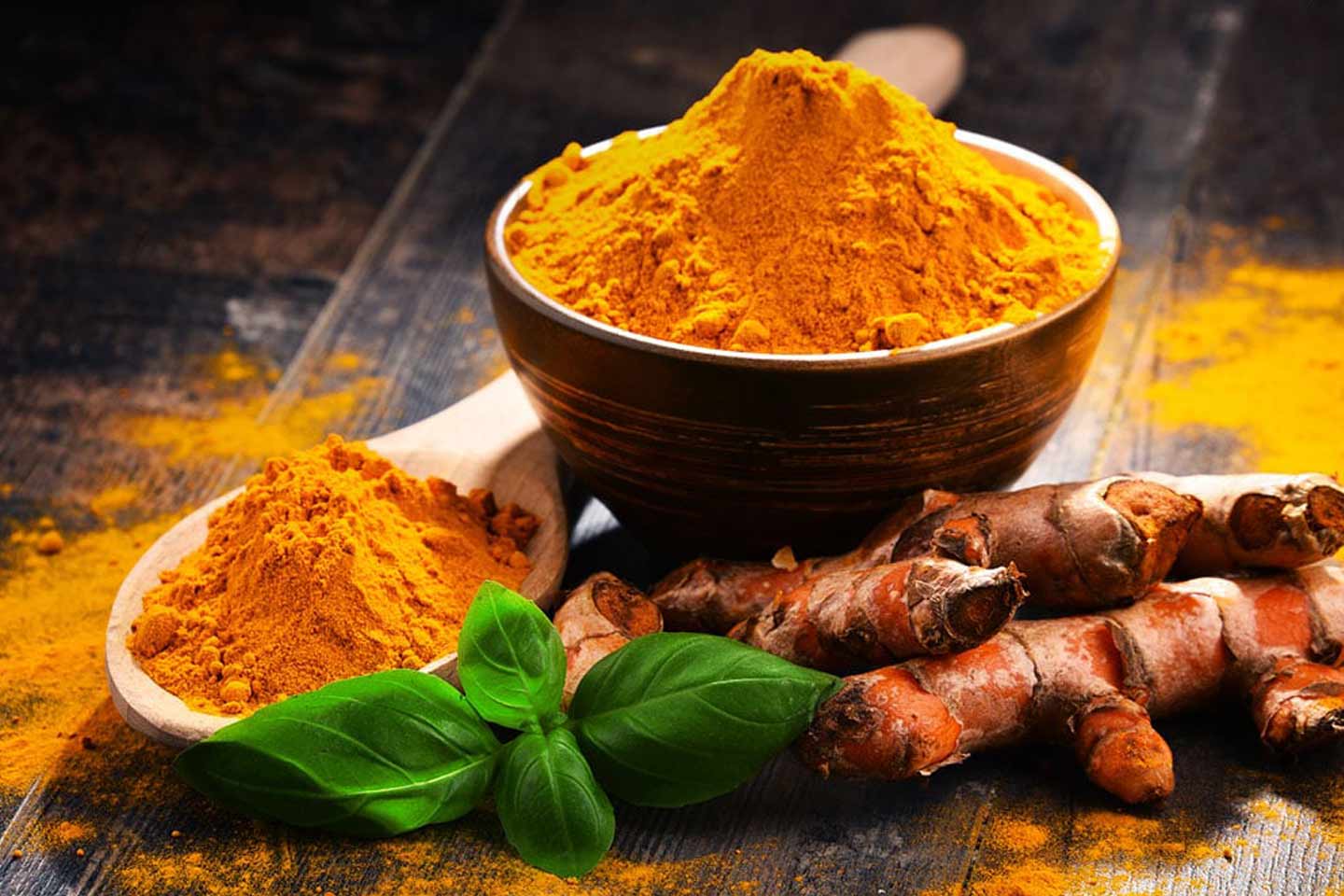
Turmeric Powder Export Guide: Curcumin Content, Grades & Indian Origins
India produces 75% of the world's turmeric and is the largest exporter of turmeric powder globally. Understanding curcumin content, grade classifications, and regional origins is essential for buyers.
Why Indian Turmeric?
- Highest curcumin content: Indian varieties contain 2-7% curcumin, compared to 1-3% from other origins
- Diverse varieties: Over 30 cultivated varieties across different agro-climatic zones
- Established supply chain: Decades of export experience with consistent quality
- Competitive pricing: $800-2,500 per MT depending on curcumin content and grade
Top Turmeric Growing Regions in India
1. Erode, Tamil Nadu
- Variety: Erode Turmeric (Salem type)
- Curcumin content: 3.5-5.5%
- Characteristics: Deep golden-yellow color, smooth texture, strong aroma
- Best for: Premium food grade, pharmaceutical applications
- Export markets: USA, Japan, EU, Australia
- Annual production: ~200,000 MT
2. Nizamabad, Telangana
- Variety: Nizamabad Turmeric (Alleppey type)
- Curcumin content: 3-5%
- Characteristics: Rich orange-yellow, medium-fine texture
- Best for: Food processing, spice blends, oleoresin extraction
- Export markets: Middle East, Southeast Asia, Europe
- Annual production: ~150,000 MT
3. Sangli, Maharashtra
- Variety: Sangli Turmeric
- Curcumin content: 2.5-4.5%
- Characteristics: Light yellow, fine powder, mild aroma
- Best for: Cosmetic industry, food coloring, curry powder blends
- Export markets: Europe, USA, Japan
- Annual production: ~100,000 MT
4. Kandhamal, Odisha
- Variety: Kandhamal Turmeric (GI tagged, organic)
- Curcumin content: 3-5%
- Characteristics: Organic certified, distinctive aroma, deep color
- Best for: Organic food market, premium health supplements
- Export markets: USA (organic), EU (organic), Japan
- Annual production: ~30,000 MT
Turmeric Powder Grade Classification
| Grade | Curcumin Content | Mesh Size | Best Use | Price Range | |-------|-----------------|-----------|----------|-------------| | Premium | 5-7% | 80-100 mesh | Pharmaceutical, supplements | $1,800-2,500/MT | | Food Grade A | 3.5-5% | 60-80 mesh | Food processing, retail | $1,200-1,800/MT | | Food Grade B | 2.5-3.5% | 40-60 mesh | Spice blends, industrial | $800-1,200/MT | | Industrial | 2-2.5% | 20-40 mesh | Dye extraction, cosmetics | $600-800/MT |
Quality Testing Parameters
1. Curcumin content: HPLC method — the most critical specification 2. Moisture: Must be below 10% for export 3. Total ash: Maximum 8% (indicates purity) 4. Acid-insoluble ash: Maximum 1.5% 5. Volatile oil: Minimum 3% (contributes to aroma) 6. Microbial count: Total plate count < 100,000 CFU/g, E. coli absent 7. Heavy metals: Lead < 3 ppm, Arsenic < 1 ppm, Cadmium < 0.5 ppm
Packaging and Storage
- Primary packaging: 25 kg HDPE bags with inner polythene liner
- Premium packaging: 1 kg / 5 kg aluminum foil pouches for retail
- Shelf life: 24 months when stored in cool, dry conditions
- Container loading: 20ft = 14-16 MT, 40ft = 22-24 MT
Import Requirements by Market
USA: - FDA facility registration - Prior Notice submission - Color additive compliance (turmeric is GRAS)
European Union: - E100 food colorant compliance - Pesticide residue testing (MRL compliance) - Aflatoxin testing
Japan: - Positive List System compliance - Strict pesticide residue limits - Curcumin content verification
Tips for Turmeric Importers
1. Specify curcumin content in your purchase contract — this is the primary value driver 2. Request HPLC test reports from NABL-accredited laboratories 3. Order samples before committing to bulk quantities 4. Verify organic certification if sourcing organic (look for NPOP/USDA NOP/EU Organic logos) 5. Plan for 3-4 weeks from order to delivery 6. Store in airtight containers — turmeric loses potency when exposed to air and light
Indian turmeric powder offers the best quality-to-price ratio in the global market. Focus on curcumin content as your primary specification and work with verified exporters who provide independent lab testing.


